Image copyright: Mornick 2017

A tale of rising inflation, stagnating wages and pricey gas


Last week, the Labor Department announced that the U.S. inflation rate had climbed to 8.5 percent in March, the highest in forty years. March's rate is the seventh consecutive month the consumer price index – which measures consumers' prices for goods and services – has shot up.

Rising inflation is usually underpinned by strong consumer demand. That notwithstanding, if left unchecked, rising inflation would leave workers worse off, especially when there is no commensurate increase in wages.

The pandemic's impact on the economy still lingers with supply chain disruptions making sure demand is unmet – driving up prices. Even as one considers these factors fueling inflation, it is worth noting that the rate of wage increases trended upwards as the pandemic hit.


Prices of goods and services have been on steady rise


source: tradingeconomics.com


In New York City, one of the country's biggest economies, data provided by the Labour Department showed that the overall average increase in wages in 2020, 3.32 percent, was the highest since 2007.

Perhaps, this provides a glimpse of consumers' strong demand responsible for a strong consumer demand post-2020. While wage increases fell to 2.69 percent in 2021, it remained at a ten-year high.
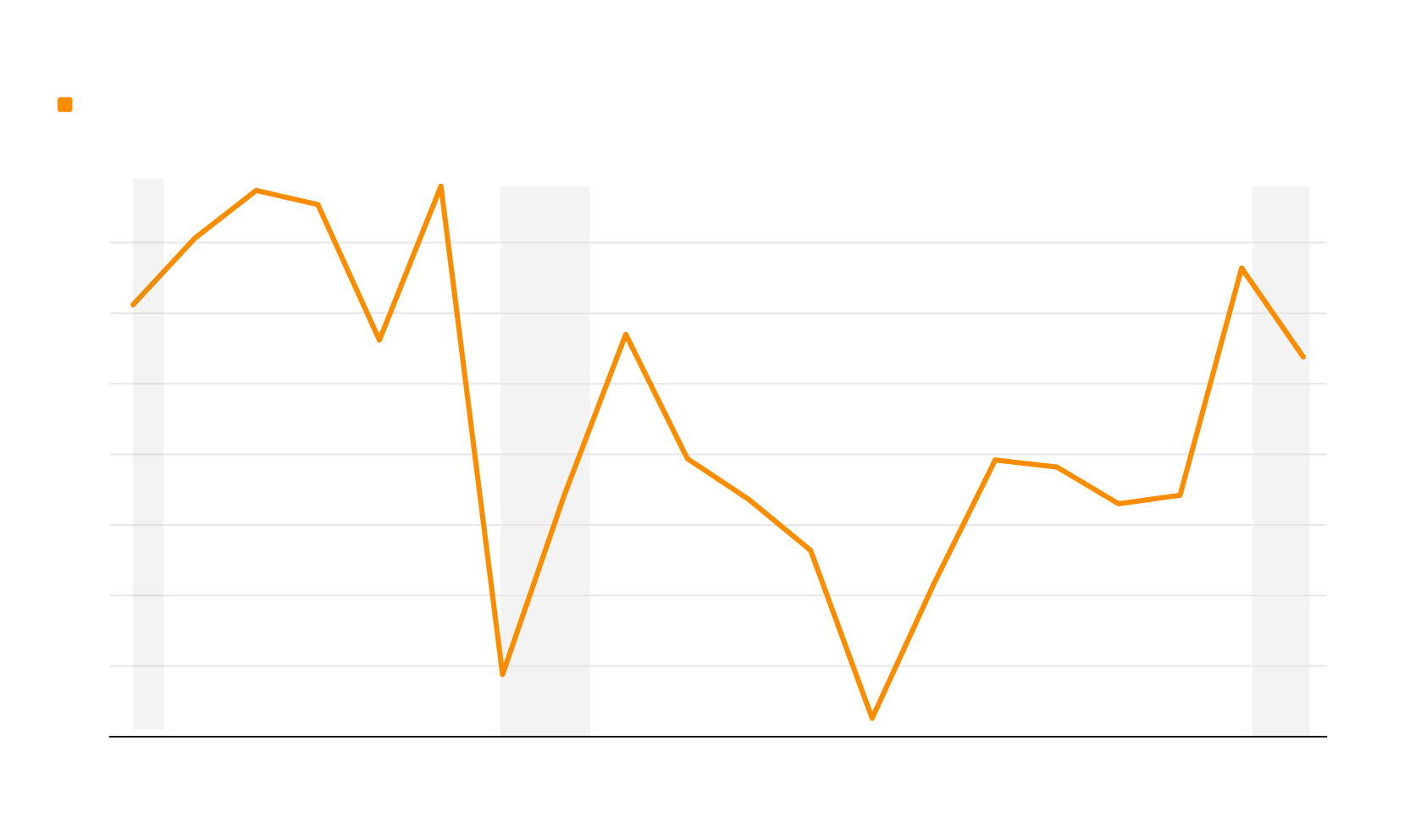
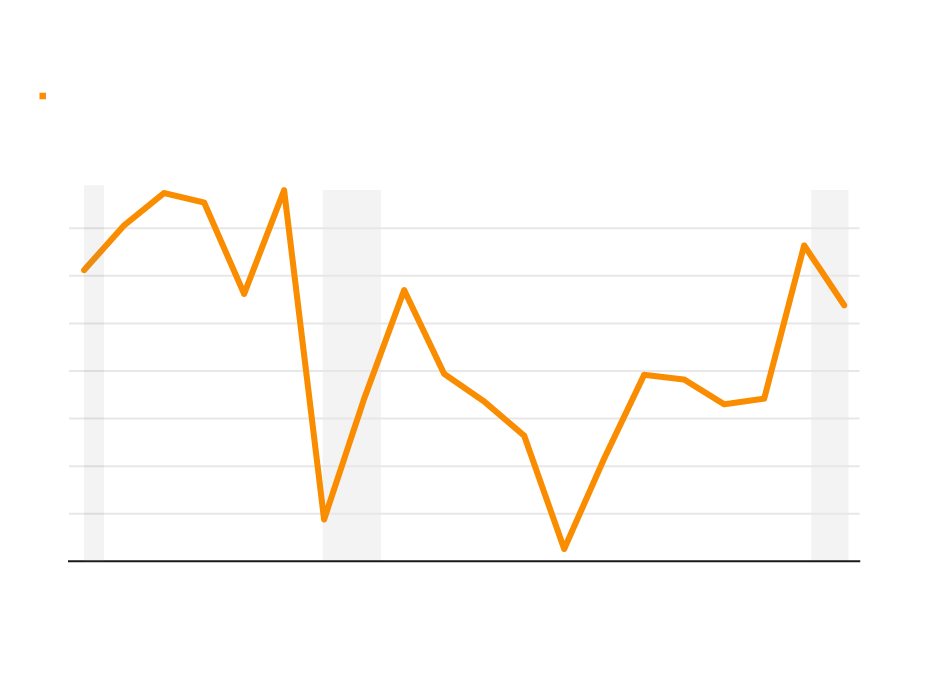
Economic troubles hurt NYC workers wages

Rate of wages growth sensitive to economic performance

Covid recession

2020

Great Recession

2007-2009

3%

Early 2000s

Recession

2

1

0

2002

2004

2006

2008

2010

2012

2014

2016

2018

2020

Source: Bureau of Labour

Economic troubles hurt NYC workers wages

Rate of wages growth sensitive to economic performance

Covid recession

2020

Great Recession

2007-2009

3%

Early 2000s

Recession

2

1

0

2002

2004

2006

2008

2010

2012

2014

2016

2018

2020

Source: Bureau of Labour

As the rate of average wages fell in 2021, compared to 2020, New Yorkers who an automobile, have to contend with rising gas prices.

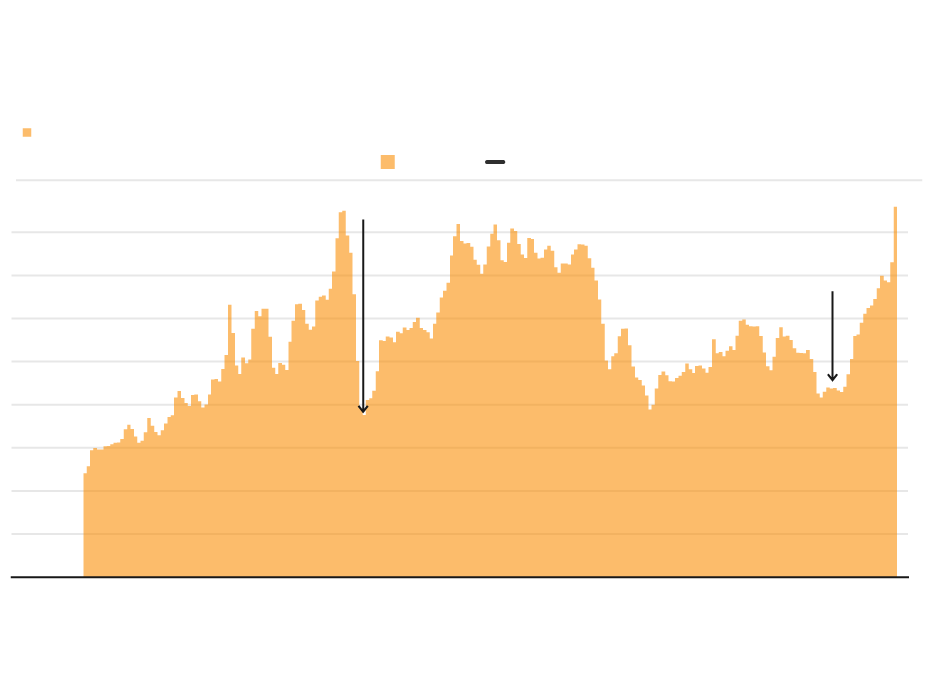
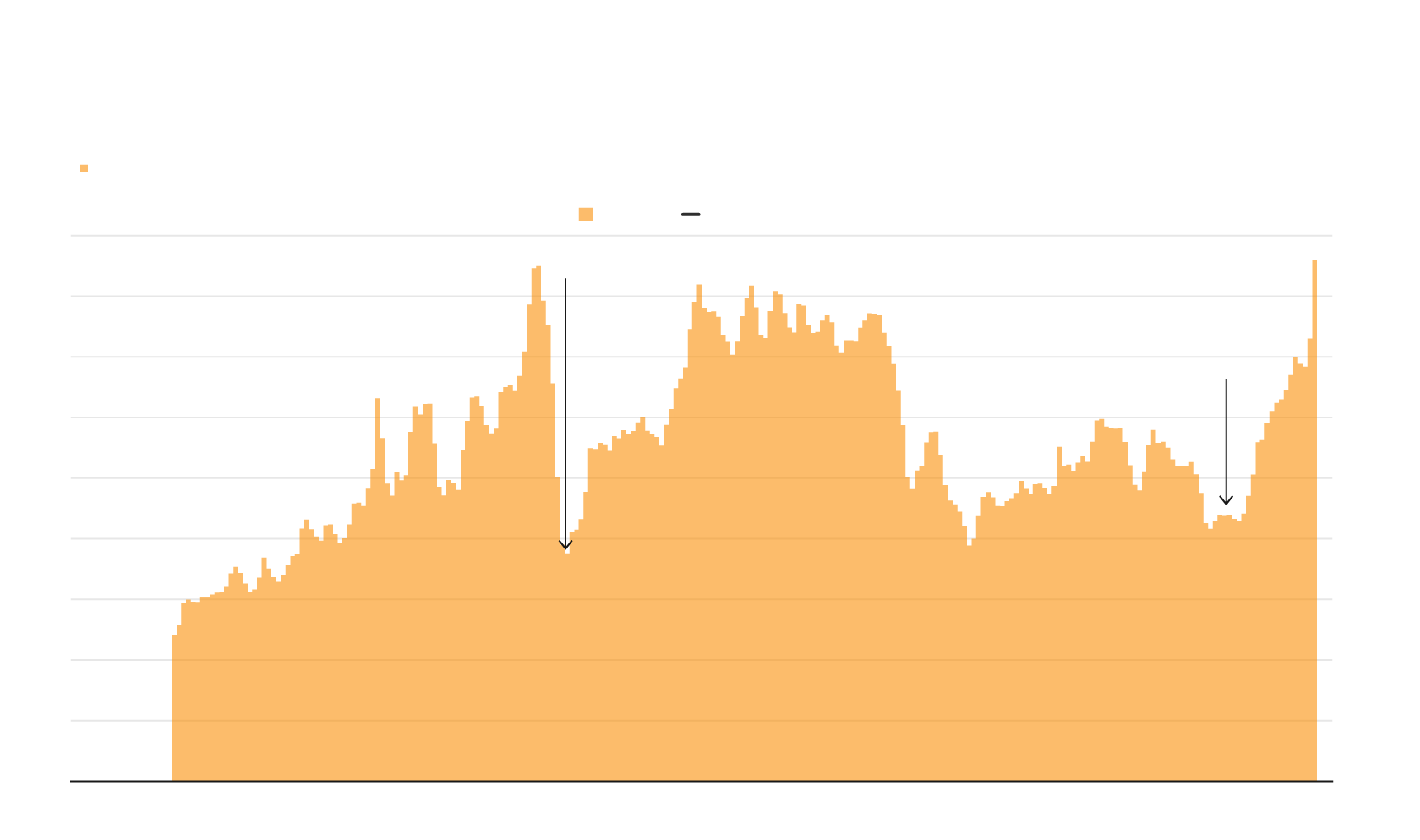
Price of gas has climbed to the levels seen before the Great recession in the late 2000s. Historically, gas price has slumped during recessions, perhaps due to lower demand. Gas prices declined at the onset of the pandemic but have since picked up. There's also the issue of the war in Ukraine affecting global oil production.

Gas prices marginally cheaper in NYC

Consumers outside the city generally tend to pay more for gas

Statewide

NYC

Great recession in the late 2000s

$400

Onset of the pandemic

300

200

100

0

2002

2004

2006

2008

2010

2012

2014

2016

2018

2020

2022

Gas prices marginally cheaper in NYC

Consumers outside the city generally tend to pay more for gas

Statewide

NYC

Great recession in the late 2000s

$400

Onset of the pandemic

300

200

100

0

2002

2004

2006

2008

2010

2012

2014

2016

2018

2020

2022

Despite New York City famous for its high cost of living, it appears gas prices are averagely more expensive elsewhere in the state.

At least since 2002, the average cost of gas in NYC compared with across the state have been almost the same.

However, a cursory look will indicate that it appears in most instance NYC gas come in slightly cheaper. Not sure how much savings there is in there but it might be worth more than a penny.